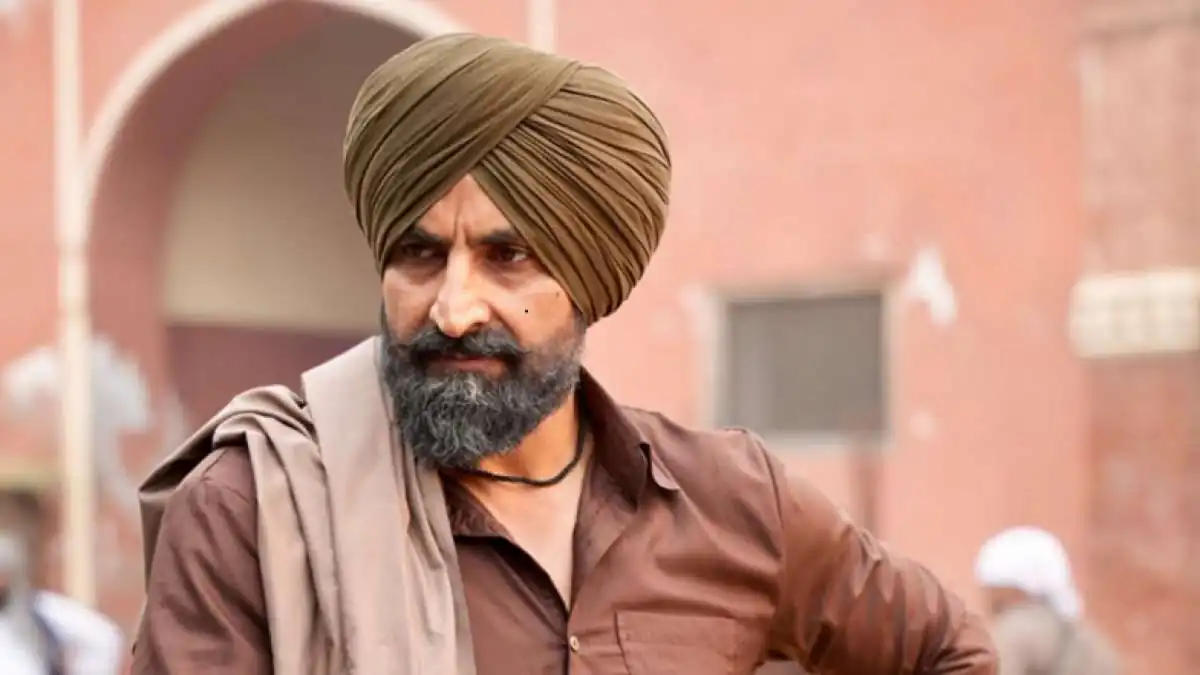
A political career is shaped not only by the positions a person holds, but also by the issues they pursue and the institutions they help strengthen. M. M. Hassan’s journey through more than five decades of Kerala’s public life spans student activism, electoral politics, ministerial responsibilities, expatriate welfare, grassroots development, media and senior political leadership. A documentary revisits this journey, bringing together key milestones from a career that unfolded alongside significant changes in the state.
From Student Leadership to the Assembly
Hassan began his political journey through the Kerala Students Union (KSU), rising to become its state president. He subsequently served as chairman of the Kerala University Union and as a member of the Kerala University Senate. These roles placed him at the centre of student representation and organisational activity.
His responsibilities later expanded into the Congress organisation. He served as general secretary of the Kerala Pradesh Youth Congress and president of the Thiruvananthapuram District Congress Committee. His public associations also included the Kerala State Education Advisory Board and the Kerala Sahitya Akademi.
Hassan entered the Kerala Legislative Assembly in 1980 from Kazhakkoottam. He served five terms: twice from Kazhakkoottam, twice from Trivandrum West and once from Kayamkulam. His legislative responsibilities included chairing the Committee on Private Members’ Bills and Resolutions and the Committee on Public Undertakings. He also served as secretary of the Congress Parliamentary Party and chief whip of the opposition parties.
Government, the Gulf and Expatriate Welfare
From May 2001 to August 2004, Hassan served as Minister for Information and Parliamentary Affairs in the A. K. Antony government, with responsibility for Non-Resident Keralites Affairs. His ministerial work coincided with a period when migration to the Gulf remained central to Kerala’s economy and the lives of countless families.
The cost of international travel was a major concern for expatriate workers, particularly those on lower incomes. In January 2004, Hassan met Air India’s chairman and managing director and publicly pressed the airline to introduce a low-cost service for Kerala–Gulf routes. He warned that the state government would consider agitation if the service continued to be delayed.
Air India Express subsequently began Gulf operations on 29 April 2005, introducing a dedicated budget option for price-sensitive passengers. The launch formed part of a wider aviation and policy process; Hassan’s documented contribution was his public advocacy for more affordable travel and greater access for expatriate workers.
NORKA and the Malayali Diaspora
Kerala’s relationship with its global community also formed an important part of Hassan’s ministerial portfolio. The state established the Department of Non-Resident Keralites Affairs, known as NORKA, in 1996. NORKA-Roots, the department’s field agency, was established in 2002 to support work concerning non-resident Keralites.
The development of this institutional framework reflected the growing importance of maintaining a formal connection between Kerala and its people living abroad. For expatriate families, such a relationship encompasses welfare, grievances, rights and the practical challenges of living and working far from home.
Challenging Forced Hartals
Another distinctive strand of Hassan’s public life was his campaign against forced hartals. The issue raised a difficult democratic question: how can the right to protest be protected while safeguarding the ability of others to work, travel, study and access essential services?
Hassan later stated that he had introduced a private member’s bill in the Kerala Legislative Assembly in 1994 concerning the regulation of hartals. On 23 December 2004, he undertook a 23-hour fast at the Martyrs’ Column in Palayam, Thiruvananthapuram, calling for a broader public movement against hartals.
His campaign focused on the effects of forced shutdowns on workers, traders, families and public life. Lost wages, disrupted businesses and restricted access to essential services made the issue one extending beyond party politics. His position distinguished the democratic right to protest from coercive closures that prevent citizens from going about their daily lives.
Janasree: Development Through Livelihoods
Hassan’s public work also extended to grassroots development through the Janasree Sustainable Development Mission, where he served as state chairman. The mission promoted community-level development, microcredit, self-employment and local enterprise.
In 2009, Hassan announced a target of providing job training to 10 lakh members within a year. This was a stated training target, not a verified total of people who completed training. Reported programmes included practical courses in food processing and small-scale manufacturing, with women participating prominently in the cited training programmes.
Janasree also promoted organic vegetable cultivation in household spaces and unused land, alongside campaigns for non-toxic food production and greater self-sufficiency in vegetables. These initiatives connected livelihoods with practical skills, community participation and local food production.
Jaihind TV and Senior Political Leadership
Hassan later served as managing director of Jaihind TV, which was launched in August 2007. The role added a communications dimension to a career that had already encompassed legislation, government and grassroots initiatives.
In 2017, Hassan became president of the Kerala Pradesh Congress Committee (KPCC), serving until 2018. In October 2020, he took charge as convenor of the United Democratic Front (UDF), remaining in the role until 2025. These senior positions placed him within important phases of Kerala’s Congress organisation and coalition politics.
Preserving a Political Journey
From student leadership to senior political responsibilities, Hassan’s career touches several strands of Kerala’s contemporary history: legislative representation, expatriate welfare, affordable Gulf travel, the debate over forced hartals, grassroots livelihoods and media.
Documenting such a journey involves more than compiling a list of offices held. It also provides an opportunity to examine the public issues raised, the institutions that developed and the concerns that shaped political debate over decades.
The documentary brings these chapters together, preserving a record of a political journey that began in student activism and extended across more than five decades of public life. It is available to watch on YouTube: https://www.youtube.com/watch?v=7lzPp6qKF8U